Cruise Ship Musician Chase Chandler: Teaching Kids to Become Their Own Music Teachers
Mar 03, 2026
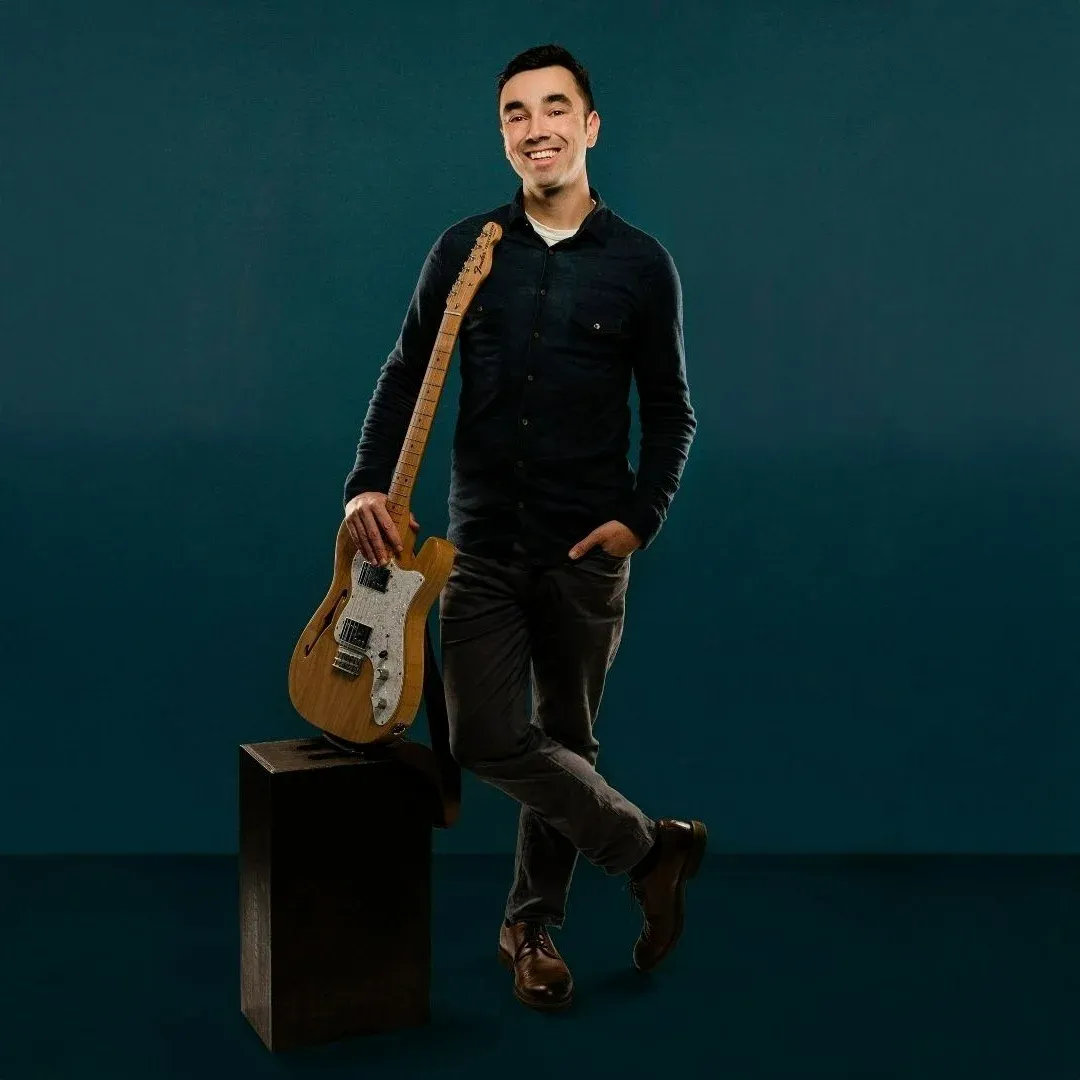
Chase Chandler describes himself as "a teacher, composer, artist, and just an experimenter of all the things that involve self-expression." That experimenter spirit has shaped his entire career as a piano, voice, trumpet, ukulele, and guitar player. He's studied composition in Vienna, earned a master's in music theory, and performed everywhere from the Arctic to Antarctica.
Music took Chase to some unlikely places. He thinks it can do the same for his students, even if they never leave their living room. Whether a kid dreams of performing on stage, writing their own songs, or just learning to play what they love, Chase helps guide them toward whichever path feels right.
"My biggest goal as a teacher is not to have each student practice for me, the teacher, but to learn in the end that they should be practicing for themselves," he says. When students realize they're working toward their own goals rather than trying to please a teacher, they stop needing external validation and start driving their own improvement.
Chase Chandler laughing as he describes waking up on a cruise ship to see penguins on an iceberg, calling it "just another day."
Catching the Music Bug
When Chase was three years old, he wandered over to a piano and started playing. His mother couldn't afford lessons, so she traded cleaning the teacher's apartment in exchange for weekly piano instruction. He didn't start studying consistently until he was nine, but music was always part of his life. He was burning CDs of his own compositions and handing them out to family members, picking up every instrument he could get his hands on, making sounds just to see what would happen.
By the time he got to college, Chase tried a non-music path at first. He enrolled in computer science for a semester, but music kept pulling him back. "I thought, I'll get my toe [into the music scene], just make sure I'm part of a band at least," he says. "Ever since then, it was too late for me. It was hard to turn back after that."
He went on to earn his associate's, bachelor's, and master's degrees in music, studying trumpet performance, voice, and eventually composition and music theory. He toured Italy with a college choir, taught at Saddleback Community College and CSUF, and kept seeking out new experiences. Studying with composers in Vienna was particularly enlightening, showing him how much growth he could get from stepping outside the practice room and collaborating with other musicians.
Clips from Chase Chandler's Arctic cruise ship voyage, set to his original composition and field recordings captured during the trip.
From Stage Fright to Six Hours a Day
Chase wasn't always comfortable on stage. In college, he would have breakdowns backstage because a performance didn't go the way he wanted it to. On trumpet, his nerves were physically visible. "I was incredibly nervous," he says. "Shaking to the point where I could not hold a steady tone on the trumpet."
His first cruise ship contract challenged him to rethink his relationship to performance. He was playing five or six hours a day, rotating between cocktail hour background music, piano bar entertainment, and sing-along shows. The audience didn't care if he nailed every note. They wanted him to just go for it! "It was a very good way to throw me into the lion's den," he says. "Fortunately, everyone was nice and just appreciated that I would try every song, even if I didn't know it."
There was no time to dwell on a rough set when another one started in an hour. "Eventually you're just like, let's get through the day," he says. "Whatever happens, happens, because I have to perform tomorrow. So just keep it going." Before long, Chase became such a seasoned performer that he gained a reputation as the person other crew members came to when they were nervous about their first show. He'd watch them rehearse and tell them honestly whether they were ready, helping them learn to assess their own preparation and trust it.
Chase performing on a cruise ship sailing around Iceland, the kind of piano bar set that helped him overcome stage fright.
The 80% Perfect Mindset
That experience left Chase with a philosophy he now brings to his students. "I think the most challenging thing about nerves is the thing that helps nerves the most is trying less to help your nerves," he says. "If you've done the practice and discipline, what you know how to do instinctively will come up if you get out of the way."
He tells students to aim for trusting their preparation rather than chasing perfection. "It's about being comfortable with the idea of trusting that it'll be at least 80% perfect," he says. "And that's as much as we can ask for."
Not sure if your child is ready for lessons?
Let them explore music at their own pace first.
There's No One Way to Be a Musician
Chase has spent his career moving between instruments, genres, and stages. That range means that when a student gets restless or curious about something new, he can usually meet them there.
His approach starts with creating a space where trying things feels safe. "There's no judgment on my part," he says, "because wherever you are at in your process of learning doesn't mean you'll stay there forever." If a student with ADHD gravitates toward improvisation more than reading from a book, he'll work with that. If another student wants strict structure, he provides it.
He says it’s a balance between finding the things that motivate each student while ensuring they still develop the fundamentals. "If I push too hard, they'll quit. If I don't push at all, they'll get bored," he says. "So it's a very interesting balance and very much tailored to each student."
"A lot of people learn just from reading what's on the page, and it's very scary to do anything creative that you make up on the spot off the page. No matter a student's age, I will have them try composition at least once or twice, so they understand what it is and if they're interested in it."
Even students who never compose again start listening to music differently, noticing the structure and choices behind the songs they love.
Always Learning Something New
Chase encourages students to explore beyond their primary instrument, because he's seen firsthand how learning one thing can reshape your understanding of another. "I was and continually am surprised with what I learn and apply to instruments I already know while I learn other instruments," he says.
He practices what he preaches. When he recently picked up drums for a cruise ship contract, he discovered that even after years on other instruments, rhythm still had layers he hadn't explored. "At this point, I thought I had rhythms down, but you can always dive deeper," he says. That willingness to start over as a beginner keeps him connected to what his students go through every lesson.
Chase on why learning new instruments can deepen your understanding of the ones you already play.
Teaching Music Through a Screen
Chase started teaching online during the pandemic, like most music teachers. Unlike most, he was excited about it. "I'm fortunate that I'm not too scared of technology, so I was excited to try and make it work," he says.
Teaching through a microphone took some adjustment. Frequencies sound different through speakers, and he had to train his ear to hear students accurately. But once he got the hang of it, he found that online lessons opened up possibilities that in-person lessons couldn't match. "In-person does present some benefits that can't be replaced," he says. "But some benefits of online teaching also can't be replaced with in-person teaching."
Over time, Chase has developed strategies that go beyond replicating the in-person experience. A few examples of what that looks like:
- Sharing his screen to draw directly on a student's sheet music without marking up their book
- Plugging his keyboard straight into the computer so students hear clear, direct audio
- Pulling up notation software to write out exercises while students watch
- Keeping detailed lesson notes for each student, updated between sessions
- Using third-party audio software like Sonobus to reduce latency enough for real-time trumpet duets
- Introducing students to audio production and recording software basics
"There's endless ways to apply technology," he says. "And I'm still learning how to use it. It's continually evolving."
For an online student recital in 2020, Chase arranged and performed all four trumpet parts in this split-screen recording.
When It All Clicks
When students reach a certain point in their development, Chase notices the lessons shift. "We start talking on a whole other level as just human to human," he says. "What do you think about this song? Let's talk about it. And it gets really fun. And honestly, their age does not matter. They get to that point if they're given the space."
At that stage, Chase isn't telling students what to do anymore. "The mentor is there to confirm what you're doing is right or how to improve upon what you're already doing." The student has learned to assess their own playing, catch their own mistakes, and set their own direction. That kind of self-awareness, Chase says, doesn't stay contained to music. "I've seen a lot of very shy kids grow with just being shown there is a chance for them to know what they're doing and how to do it and feel comfortable doing it."
Think your child might love music lessons?
Maestro offers a free first lesson for new students. No credit card required.
Help Your Child Become Their Own Teacher
If a parent comes to Chase unsure whether their kid is even interested in music, he welcomes the challenge. "Let's go for it. Let's find out," he says. "I'm game for figuring out what's best for the student. And because I know a little about a lot of things, I can help them gravitate toward something that's really useful for them."
Whether your child wants to perform on stage, write their own songs, or just learn to play what they love at home, the skills they build in lessons show up everywhere else in life.
Want to see if online lessons are right for your child? Book a free music lesson with Chase or explore other Maestro Music instructors to find the right fit for your family.
Enjoyed getting to know Chase? Meet more Maestro Music teachers:
Author