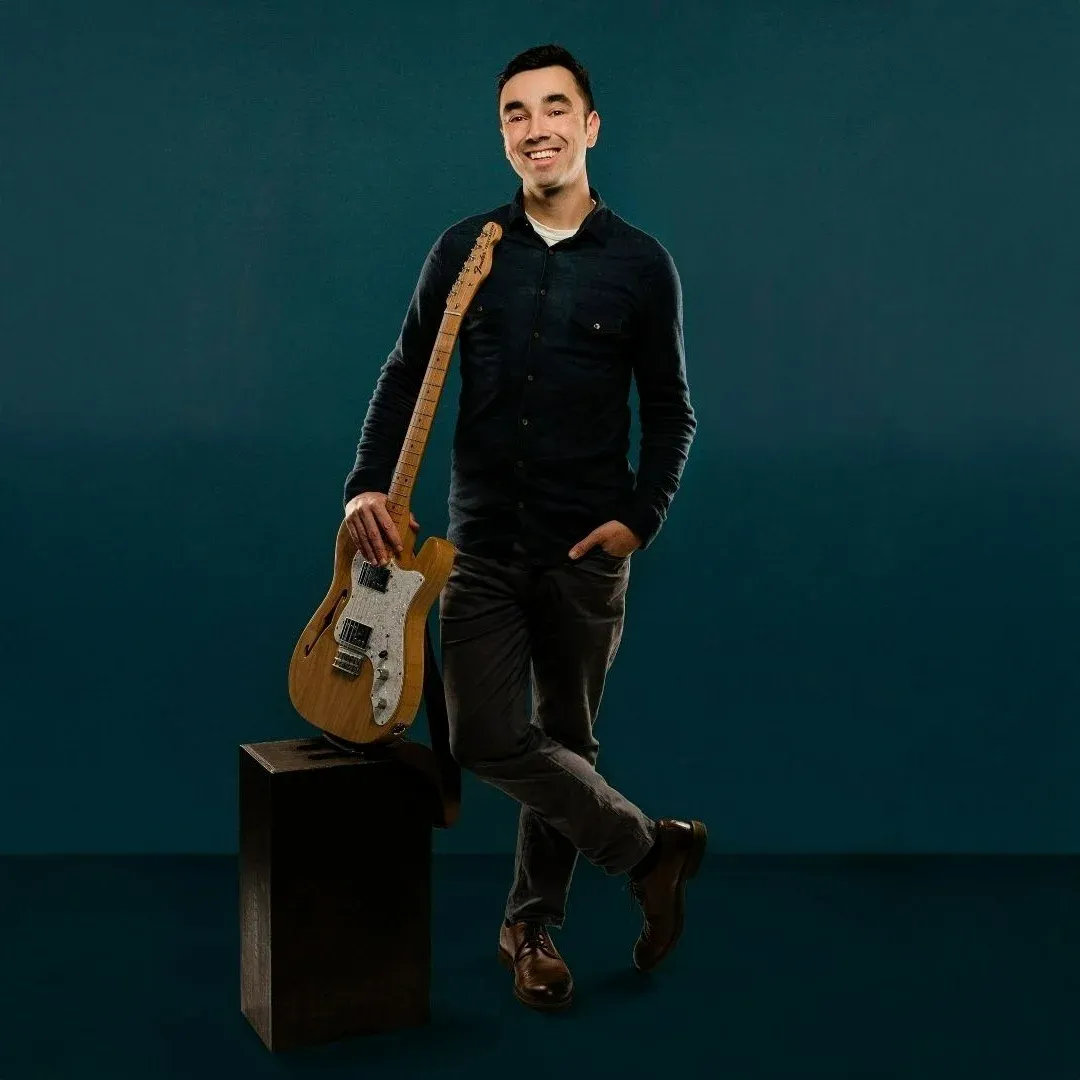
Voice Teacher Madison Stepherson: The Science Behind the Sound
Feb 26, 2026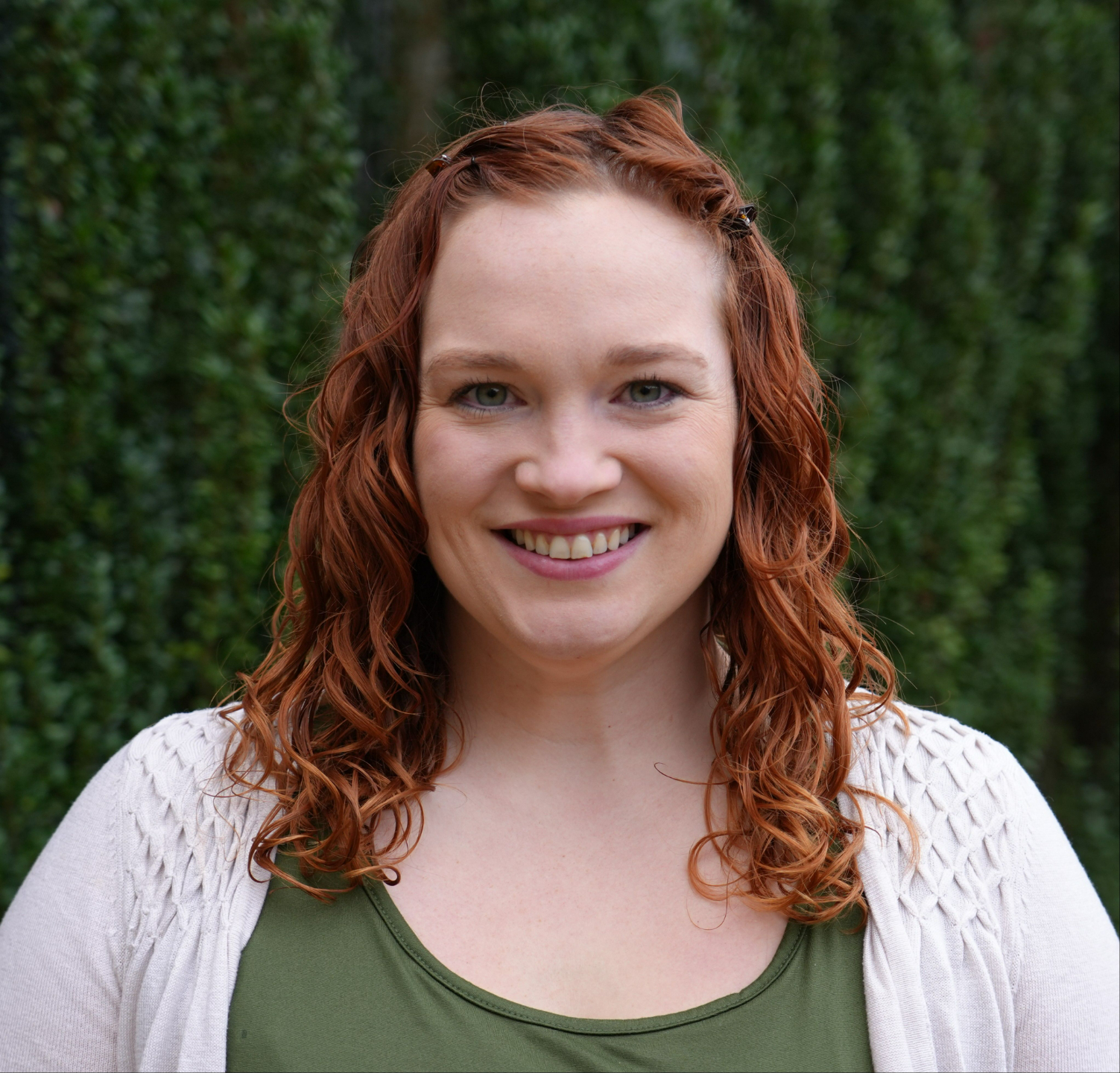
When one of Madison Stepherson's voice students cracks on a high note, she takes time to explain what happened: which muscles tightened, where the breath fell short, why that particular passage trips up almost everyone. She has a Ph.D. in music theory and graduate training in the anatomy of the larynx, and she weaves that knowledge into her teaching in ways that help students understand their own voice from the inside out.
"When I think about how a singer produces a sound or why their timbre sounds a certain way, I draw a lot from my own performance training and academic knowledge," she says.
Madison’s students aren't necessarily showing up to music lessons because they love anatomy. But when they finally nail a phrase they've been struggling with for weeks, Madison can tell them exactly why it worked. And that understanding helps them keep getting better.
Think your child might love music lessons?
Maestro offers a free first lesson for new students.
How Madison Found Music
Madison has been singing since she was three. She started voice lessons at 14, learned to read music playing clarinet in band, and participated in both band and choir through college. Outside of music, she was a leader in Girl Scouts, spending years guiding younger girls at camps. For a long time, music was just something she loved doing.
But there was a moment in those early years where it became something more. At 16, Madison's school chose her to attend the Georgia Music Educators Association conference. Sitting there, surrounded by music educators, it clicked.
"I had this moment where I was like, ‘This is what I want to do. I want to teach music. I love it.’"
People kept telling her she'd never make any money in music, though, so she pushed it aside.
A Little Detour
By the time she went to college, Madison decided not to major in music in favor of a more practical path–a biology major on a pre-vet track. She spent a few years taking science classes while competing as an NCAA athlete and working on the side. By the time she was juggling organic chemistry and genetics in the same term, she started asking herself why she was doing all of this for a career she didn't love.
"If I'm going to go to grad school and spend 10 years doing something, I should do something that I love," she says. "Even when I was a bio major, I was a music minor. It's not like I ever completely stepped away. I just kind of had a little bit of a pause and then came back to my senses."
She went back to focusing her studies on music and became the first undergrad at her school to pursue graduate education in music theory.
From Theory to Practice
Madison went on to complete her Master of Arts at the University of Minnesota and her Ph.D. at the University of Oregon. During her master's program, the gap between studying music and making music kept widening. The program required around a dozen proficiency exams, many of them piano-centric (such as sight-reading, figured bass realization, and score reading). To pass them, she had to stop practicing everything else, and the time she did spend playing didn't always align with the kind of playing she wanted to do.
"I looked up and I was like, ‘I haven't picked up my clarinet in three years. I don't really have time to practice my voice either, because if I'm practicing voice, that means I'm not practicing piano.’"
Her PhD dissertation explored vocality and femininity in post-millennial country music through the work of Carrie Underwood, Miranda Lambert, and Lainey Wilson, and she's currently expanding it into a book. It's fascinating work, but a dissertation is research and writing, not performing. By that point, Madison's day-to-day had moved even further from the kind of music-making that drew her in as a kid.
When she found out UO had dropped the piano requirement for her PhD, she was relieved. Without that pressure, she could get back to learning music for the fun of it. She told her husband she wanted to learn guitar, so he got her one, and she's been teaching herself since. She also started serving as assistant director for two choirs at her church, one for kids and one for adults. After years of studying music in such an abstract way, she'd found her way back to the joy of just playing.
Bringing the Science Into the Studio
All of that academic training shows up in Madison's teaching in specific ways. Whether she's explaining how breath connects voice and woodwinds or walking a student through why their voice cracked, her approach is shaped by years of studying how music works from the inside out.
Why Voice and Woodwinds Go Together
Madison teaches voice, clarinet, and saxophone, which might seem like very different instruments, but they share the most fundamental thing: breath.
"After I started taking private voice lessons, my clarinet playing improved because my breath control and my breath pressure was better," she says. "That's probably the most fundamental thing. Voice, brass, woodwinds–they all require breath support."
In her teaching studio, she has all of her students sing, even the ones who play wind instruments.
"Singing isn't about the way your voice sounds or how good it is or how beautiful it is," she tells them. "It's about training your ear to hear the pitches and know what it's supposed to sound like before you ever play or sing a note."
Once a student can hear a pitch internally, they can start matching their airflow and pressure to whatever instrument they play. Madison calls this "singing through your instrument," and for her woodwind students, it makes a big difference.
What Happens When a Voice Cracks
Every voice student must learn to navigate their passaggio, the transition point between registers–where the voice can crack instead of gliding through. Most students want to avoid risking a voice crack at all costs, but Madison works through it with them rather than around it. She'll assign passages that sit right on the break, knowing they're going to be difficult.
"I tell them, it's okay. If you're gonna crack, let it be here in a lesson where it doesn't matter, and there’s no judgement."
They work on those passages, sometimes for weeks. And because Madison can explain what's happening physically, students start to understand why they're cracking, not just that they are.
Eventually they get through it, “and when I ask them how it felt, the answer is always the same: ‘That felt great!’"
Working with Shy and Neurodivergent Students
Not every student walks into a lesson ready to perform, and Madison has worked with plenty of kids who need time before they're comfortable showing what they can do. Many of her neurodivergent students come to lessons with real musical ability but not a lot of confidence yet. For homeschool families especially, who may have sought out alternatives because their child wasn't thriving in a traditional setting, Madison's willingness to adapt each lesson to the student in front of her tends to resonate.
Madison builds them up slowly, starting with getting them to sing or play through a section, then the entire piece, then layering in accompaniment, and finally addressing the musicality and expression that makes it feel more like a performance.
"It's really encouraging on both of our ends to get them to feel like this is an actual performance. You're not just singing in the shower. You're making music and making art."
And when those students do break through, Madison is right there with them to celebrate. "That moment where they say, 'I did it,' is really awesome to see."
Not sure if your child is ready for lessons?
Let them explore music at their own pace first.
Teaching Through a Screen
Madison started teaching online during her master's, though not music at first. She taught English to kids in China, waking up at 3am to teach before her 8am classes on campus. That early experience taught her how much facial expressions and visual cues matter when you're teaching through a camera.
She brings those instincts into her music lessons now, along with tools that make online teaching surprisingly hands-on. For younger students, she uses Zoom's annotation function to circle things and write on the screen in real time. "I have a couple of my younger students who are like, 'whoa, you wrote on the screen!'"
For lessons that lean more into theory, she uses an interactive whiteboard to build out concepts visually. And when students are looking for new repertoire, she'll share her screen and walk them through how she searches for music, showing them resources like IMSLP so they can start finding pieces on their own.
Why Madison Chose Maestro
Madison finished her PhD with a toddler at home. Jumping straight into the tenure-track job search, with its uncertainty and constant relocating, wasn’t the right fit for her life, but she knew she didn't want to stop teaching. Maestro gave her the flexibility to keep doing what she loves while staying present for her family.
The other thing that surprised her was how different private students feel compared to a college classroom.
"When you teach music theory in college and it's required for every music major, a lot of those students are sitting in your classes like, ‘I have to be here.’ ‘I don't like it.’ ‘It's required for my degree.’ That's a totally different vibe than an eight-year-old student who says, ‘I really like jazz, and I want to learn how to play this.’"
Find the Right Voice Teacher for Your Family
If your child wants to sing, explore a wind instrument, or understand how music works on a deeper level, Madison brings a rare combination of academic depth, performance experience, and patience to every lesson.
Book a free lesson with Madison or explore other Maestro teachers to find the right fit for your family.
Want to Meet More Maestro Music Teachers? Try These Spotlight Interviews Next:
Author