Meet Jen: A Homeschool Parent Shares How She's Learned to Follow Her Son's Lead
Jun 01, 2026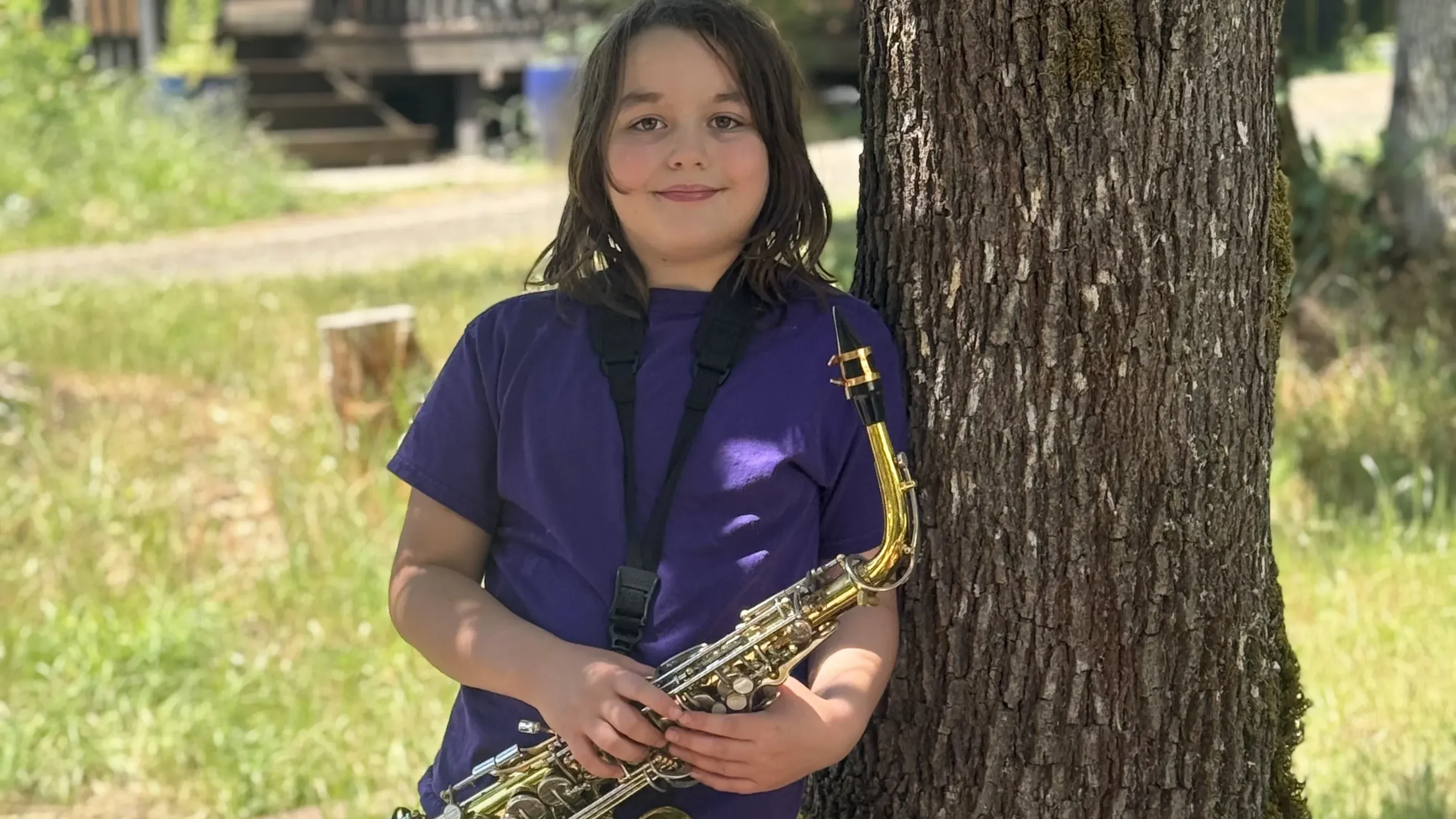
There are countless ways to homeschool, whether that’s traditional “school-at-home,” Charlotte Mason learning, Classical, student-led learning, Montessori approaches, or a bit of everything.
We've been sitting down with homeschool families to talk about what their days look like. For some families, that means a structured morning routine and a packed afternoon schedule. For others, it means throwing the schedule out entirely and letting their kid take the lead.
Jen, a homeschool mom of two boys in Oregon, pivoted from school-at-home to student-led learning, and in the process, opened up a whole new way of learning for her youngest child. Here's a glimpse at what their days look like, from fishing and bowling trips with their charter school to sunbathing in a clover patch while writing stories featuring the family's bearded dragon.
Why Did You Start Homeschooling?
“I'm a teacher by trade, and neither of my children fit that little square mold required for a typical public school. So I automatically felt like homeschooling was going to be a better option.”
When Jen started homeschooling, she realized, “It allowed me not only to continue teaching, but to have this awesome time with my kids. I didn't have to sacrifice my time away. I got to be with them and learn with them and experience everything with them, which was really cool.”
She taught her eldest son until high school, and continues to homeschool her youngest son, Ollie.
What Does Homeschooling Look Like For a Neurodiverse Kid?
“Our typical homeschooling day doesn't look like most homeschooling days. It's very much student-led and very much catered to Ollie’s ability to participate, because if he mentally isn't capable of it at that moment, then learning is just not going to happen. And then it's just an argument, and it's not time that any of us benefit from.”
Can You Share a Fun Homeschool Moment?
“There was one day that it was sunny, and I said, ‘Hey, we need to get our school stuff done, do you want to go outside?’ And we got all of our school stuff done outside with all our farm animals around. He wrote a story about his bearded dragon, Tuco.”
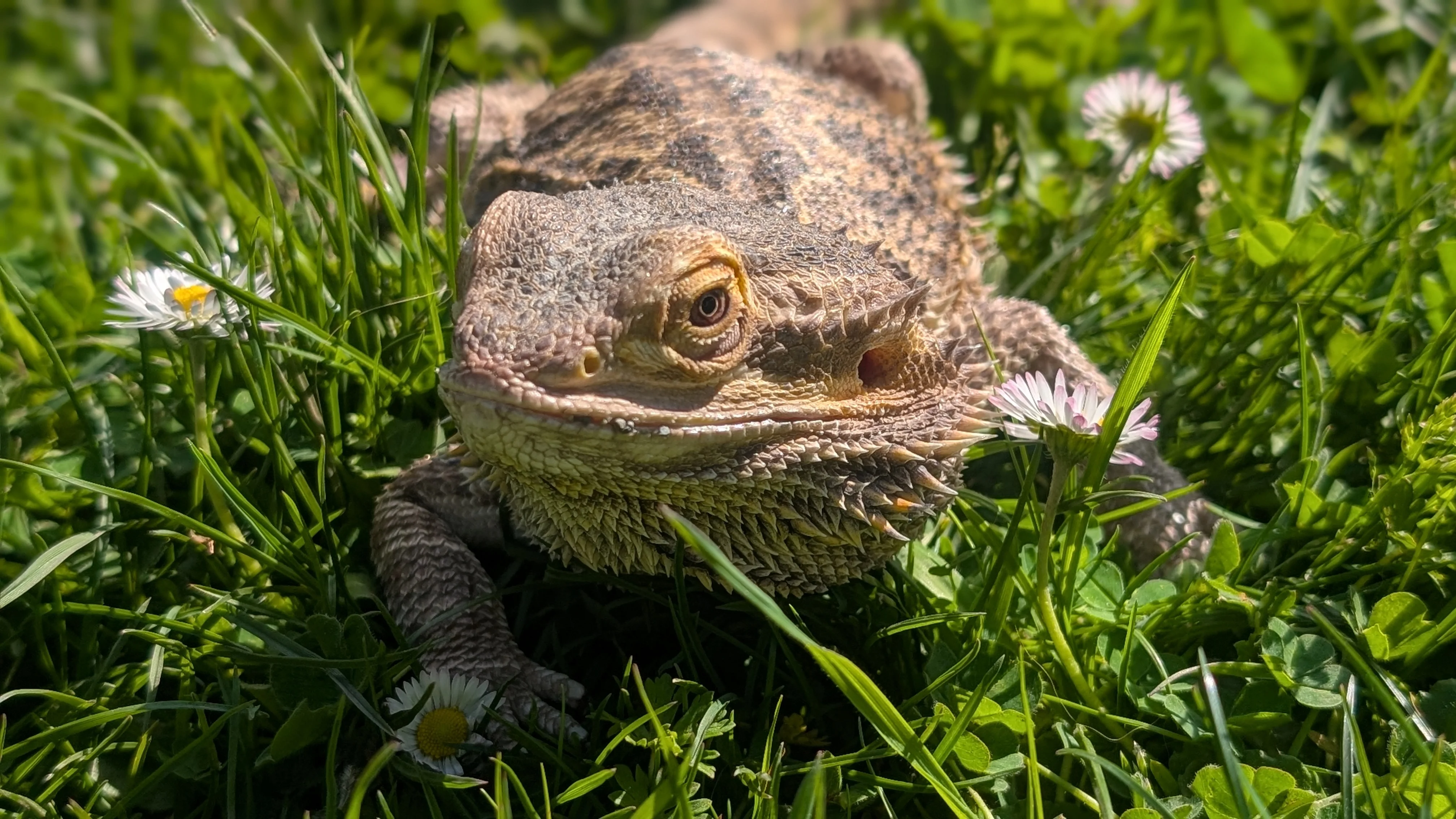
"He had his bearded dragon next to him, the sun shining on him. It was awesome," Jen shared, recalling a recent school day with Ollie.
Their charter school even hosts bowling and fishing classes, including a fishing trip last May, where Jen proudly reports that Ollie caught five fish.
What Are the Biggest Challenges?
“With my eldest, I was able to say, ‘Okay, it's nine o'clock, let's go out and do our school stuff,’ and we're done by a certain time. He was more traditional in that sense. We did a math lesson, then a reading lesson, then a science lesson, and it was the same every day. He liked that structure,” Jen explains.
With Ollie, sometimes he's “used up all his spoons.” So, rather than a fixed schedule, Jen has learned to wait for the moments when he's ready. “It doesn't always have to be at 10 in the morning. It can be 4 in the evening, when he's in that space.”
What are "spoons"?
Spoon Theory is a metaphor commonly used in the neurodiversity community to describe how mental and physical energy works. Neurodiverse kids may start each day with a finite number of spoons. Once they're depleted, it's time to take a break rather than try to push through. Nervous system dysregulation happens when spoons run out. It can happen in both neurotypical and neurodivergent people.
How Did You Find Music Lessons That Worked For Your Child?
Jen found Maestro Music through its founder, Noah Tretter, years ago. Back then, Maestro Music was a passion project for Noah, while his primary job was teaching music lessons at his own music studio.
Jen was the extracurricular coordinator for her children’s charter school. One day, “Noah called me and said, ‘Hey, I have this really cool music program, and I would like to teach at your school.’”
Noah wound up running the entire music program at Jen’s charter school, and the two of them became friends.
Years later, when Ollie decided he wanted to play saxophone, Jen knew who to call. “I reached out to Noah and said, ‘I know you have your Maestro Music business, is there anybody who teaches sax?’ He said yes, and connected me with a saxophone instructor named Madison.”
How do charter-funded music lessons work?
Many homeschool families find Maestro Music Lessons Online through their charter school's approved vendor list. Some charter schools pay approved vendors directly. Others, including Jen's charter school, Teach Northwest, provide families with a prepaid Pex Visa card for educational purchases.
What Made Online Music Lessons the Right Fit?
Before finding Madison, Jen had tried a few apps and self-guided tools, but they didn’t quite work. “As much as he struggles with rigid structure, he needs more guidance than just logging on to an app and doing it. And he also thrives on things being new. If you log on to an app, it's kind of the same routine every single time, and it gets really boring for him quickly.”
In-person music lessons weren’t the best option either. “Leaving the house is really, really hard sometimes,” Jen says, “an in-person class would have been really challenging. We would have had to overcome a whole lot of hurdles just to get there.”
With online lessons, “He doesn't have to go anywhere. It eliminates that struggle. He's in an environment where he feels safe and comfortable.”

What Impresses You Most About Madison?
“Her flexibility with him has been amazing,” Jen says. “There are days he'll say, ‘I don't feel like playing the sax,’ and she's like, ‘Okay, well, do you have a recorder? We could do that instead.’”
“One time I said, ‘Hey, he's getting over a cold, I don't think playing the sax is going to work very well, is there something else we could do?’ And she had all these great ideas and came up with fun games for him to play.”
“And it wasn’t just falling back on games she'd done before. It was new things. I was really impressed with her scope of knowledge of different methods of teaching the same thing. It's not just, ‘Let's sit down and practice our saxophone and play notes.’”
What Would You Say to Other Homeschool Parents Considering Music Lessons?
“I think Maestro Music is a great opportunity. Our neurodiverse kids have needs that a typical traditional brick-and-mortar setting doesn’t fulfill, and Maestro Music allowed us access to a music program that we wouldn't have had otherwise, and that's been really good.”
If you're wondering whether music lessons could work for your family, you can book a free trial lesson directly with Madison for online voice, clarinet, saxophone, or recorder, or get matched with the right teacher and instrument for your child.

Want to learn more about Maestro teachers and families? Read these interviews next:
Author